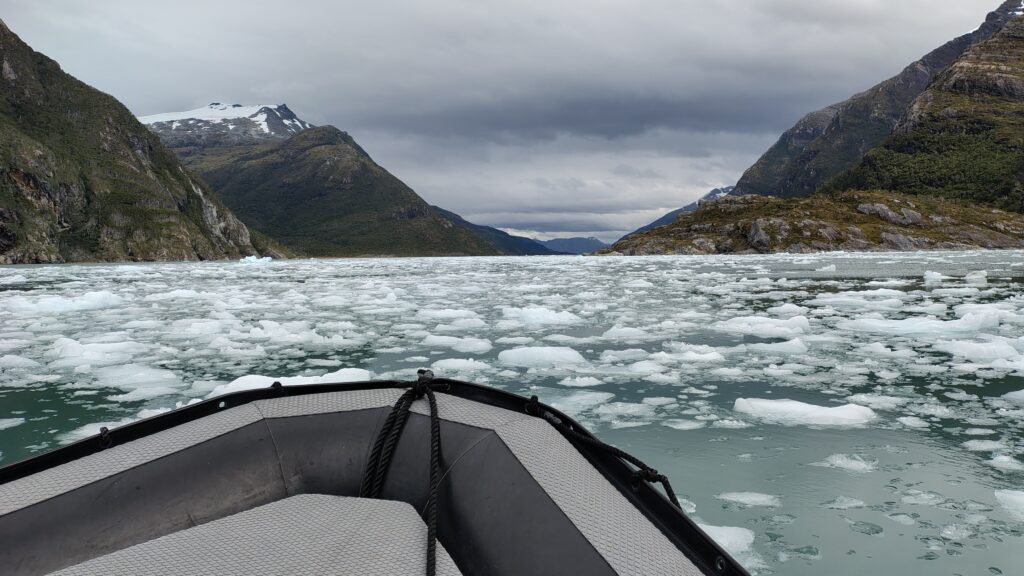
Probing the Role of Icescapes in Shaping Microbial Diversity in Antarctica
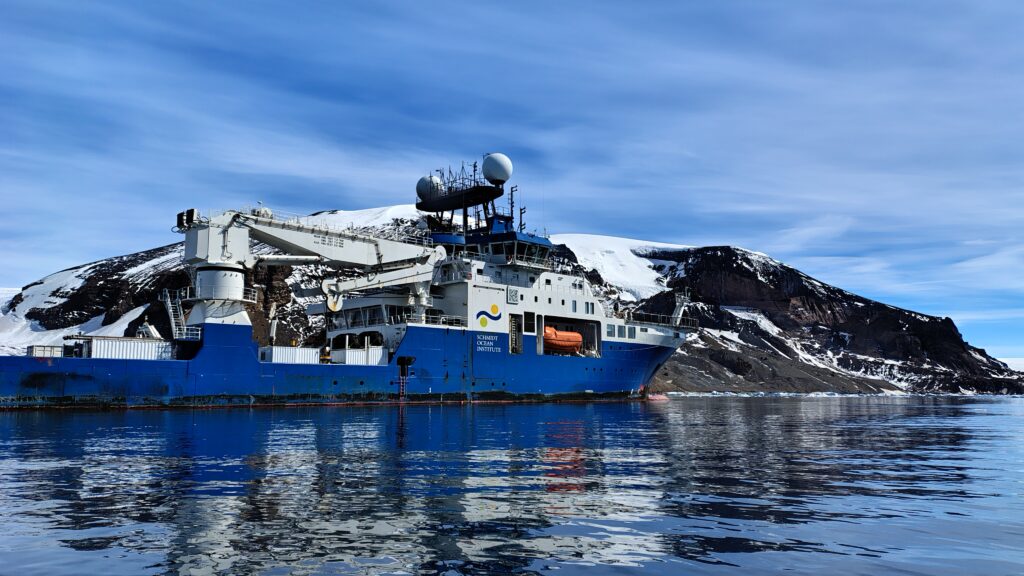
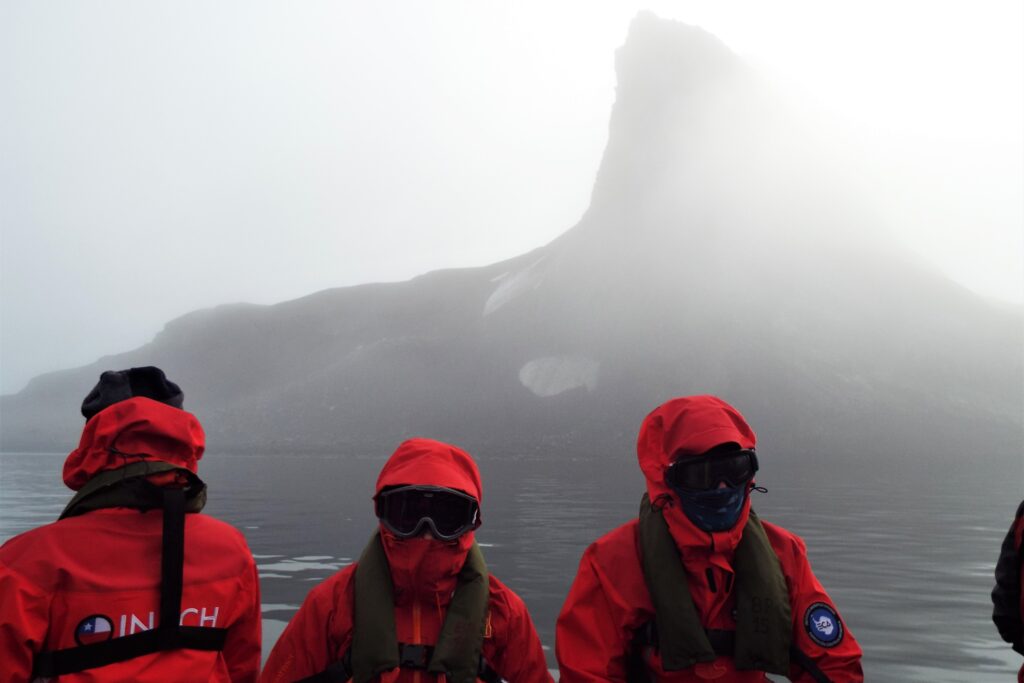
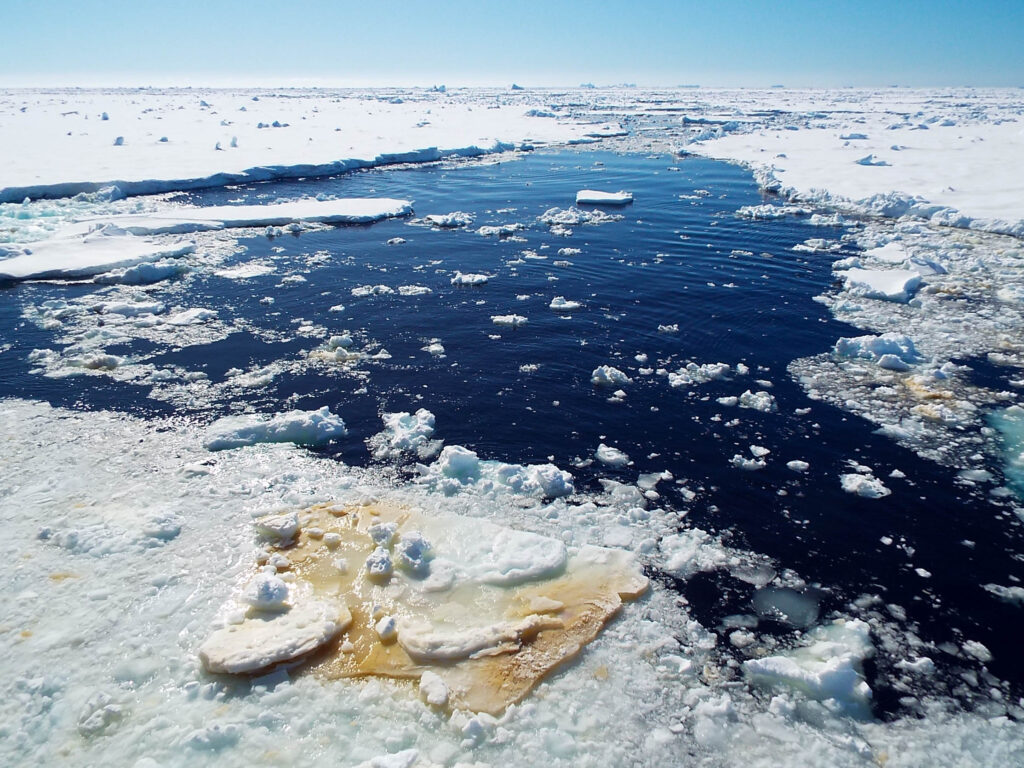
A National Geographic and Rolex–funded research project investigating how ice and glacial melt shape microbial life from the sunlit surface to the seafloor in Antarctica. Using advanced molecular tools and culture-based techniques, PRISMA explores how microorganisms respond to environmental changes such as warming and acidification.
MicroWorlds (uWorlds)
Our flagship permanent initiative, dedicated to retrieving, cultivating, and preserving microbial diversity from the oceans. MicroWorlds bridges expeditions and laboratories, ensuring that novel strains of microalgae and other microbes—many from extreme environments—are not only studied but also maintained in culture collections. Here, they can be explored for their ecological roles, adaptive strategies, and biotechnological potential. By maintaining this living library of ocean microbes, MicroWorlds contributes both to scientific discovery and to safeguarding the invisible heritage of our oceans.
PolarLINK
Unveiling High-Resolution Connections Between Arctic and Antarctic Phytoplankton
A National Geographic Explorer project comparing the microdiversity of phytoplankton between the Arctic and Antarctic using long-read DNA sequencing and culture-based approaches. PolarLINK provides new insights into the evolutionary and ecological connections between the two poles.
ENLIGHT
Supported by Lindblad Expeditions and the National Geographic Society (LEX–NG), ENLIGHT investigates how decreasing water transparency—driven by climate change and terrestrial runoff rich in organic matter—affects microalgae in fjords and polar coasts.